10 Warning Signs of Subsidence: What to Look for in Your Norfolk Home
Catching subsidence early can mean the difference between a straightforward resin injection repair and a major underpinning project. The signs below are listed in rough order of how commonly we see them in Norfolk properties.
1. Diagonal Cracks Around Windows and Doors
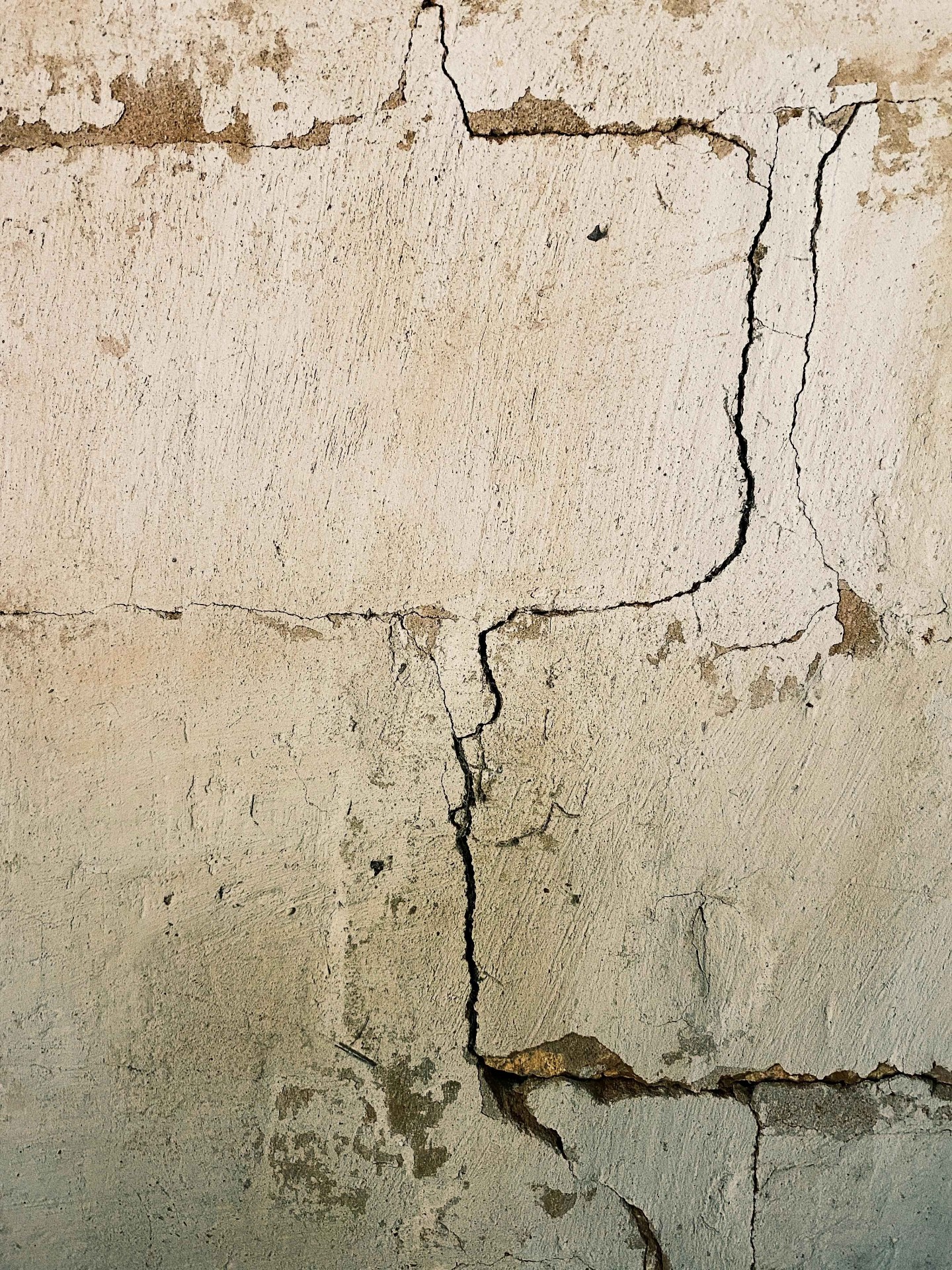
This is the most recognisable sign. Cracks run diagonally from the corners of window and door openings because these are the weakest points in a wall. In subsidence, they're typically wider at the top than the bottom — indicating the wall is dropping on one side.
How to Distinguish from Normal Settlement Cracks
| Feature | Subsidence Crack | Normal Crack |
|---|---|---|
| Width | Greater than 3mm, often growing | Less than 2mm, stable |
| Pattern | Diagonal, wider at one end | Vertical or hairline |
| Location | Around openings (doors/windows) | Random, often near joints |
| Season | Worsens in summer/autumn on clay | Doesn't change seasonally |
| Recurrence | Comes back after filling | Stays filled |
2. Doors and Windows That Stick or Won't Close
When foundations settle unevenly, the frame of the building distorts. Doors that used to close smoothly begin to jam, scrape on the floor, or swing open. Windows become difficult to latch. This is often the first sign homeowners notice, before they spot cracking.
3. Stepped Cracks in External Brickwork
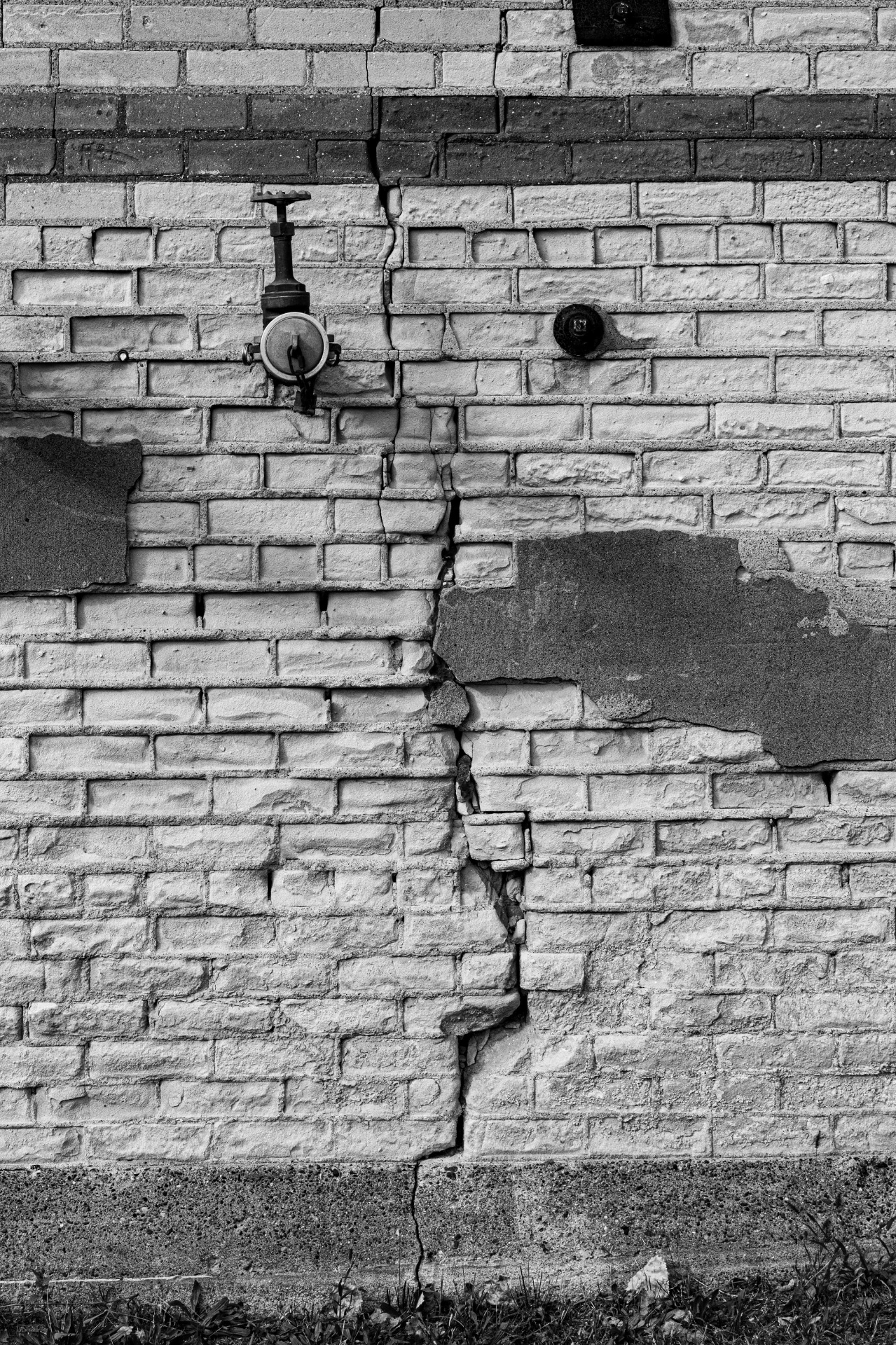
Outside the property, look for cracks that follow the mortar joints in a stair-step pattern. These are called "stepped cracks" and they're a strong indicator of differential foundation movement. They're often most visible on gable end walls and near corners.
4. Separation Between Extensions and the Main Building
The junction between an extension and the original house is one of the most common locations for subsidence-related cracking. The two structures have separate foundations that may settle at different rates, creating a vertical crack at the join.
5. Wallpaper Creasing or Pulling Away
Before cracks become visible in plaster, you may notice wallpaper wrinkling, tearing at seams, or pulling away from the wall surface — particularly at wall-ceiling junctions. This is an early warning sign that the wall behind is moving.
6. Sloping or Uneven Floors
Place a marble or ball on the floor in different rooms. If it consistently rolls in one direction, or if you can feel a slope underfoot, the floor slab or supporting ground may have settled. A spirit level will give you a more precise reading.
7. Gaps Between Skirting Boards and the Wall or Floor
If skirting boards begin to pull away from the wall, or gaps open up between the skirting and the floor, it suggests the wall and floor are moving relative to each other — a sign of foundation settlement.
8. Cracks in Paths, Driveways, or Patios
Ground movement often shows up first in lightweight structures adjacent to the house. Cracked or sunken driveways, garden paths pulling away from the house wall, and tilting patio slabs can all indicate subsidence affecting the broader area around your property.
If your driveway or patio has sunk, slab lifting can often restore it in a few hours at a fraction of replacement cost.
9. Leaning or Bowing Walls
If an external wall begins to lean outward or bow, this is a serious sign requiring immediate professional assessment. It indicates significant structural movement and potentially compromised stability.
10. Rippling or Bulging External Render
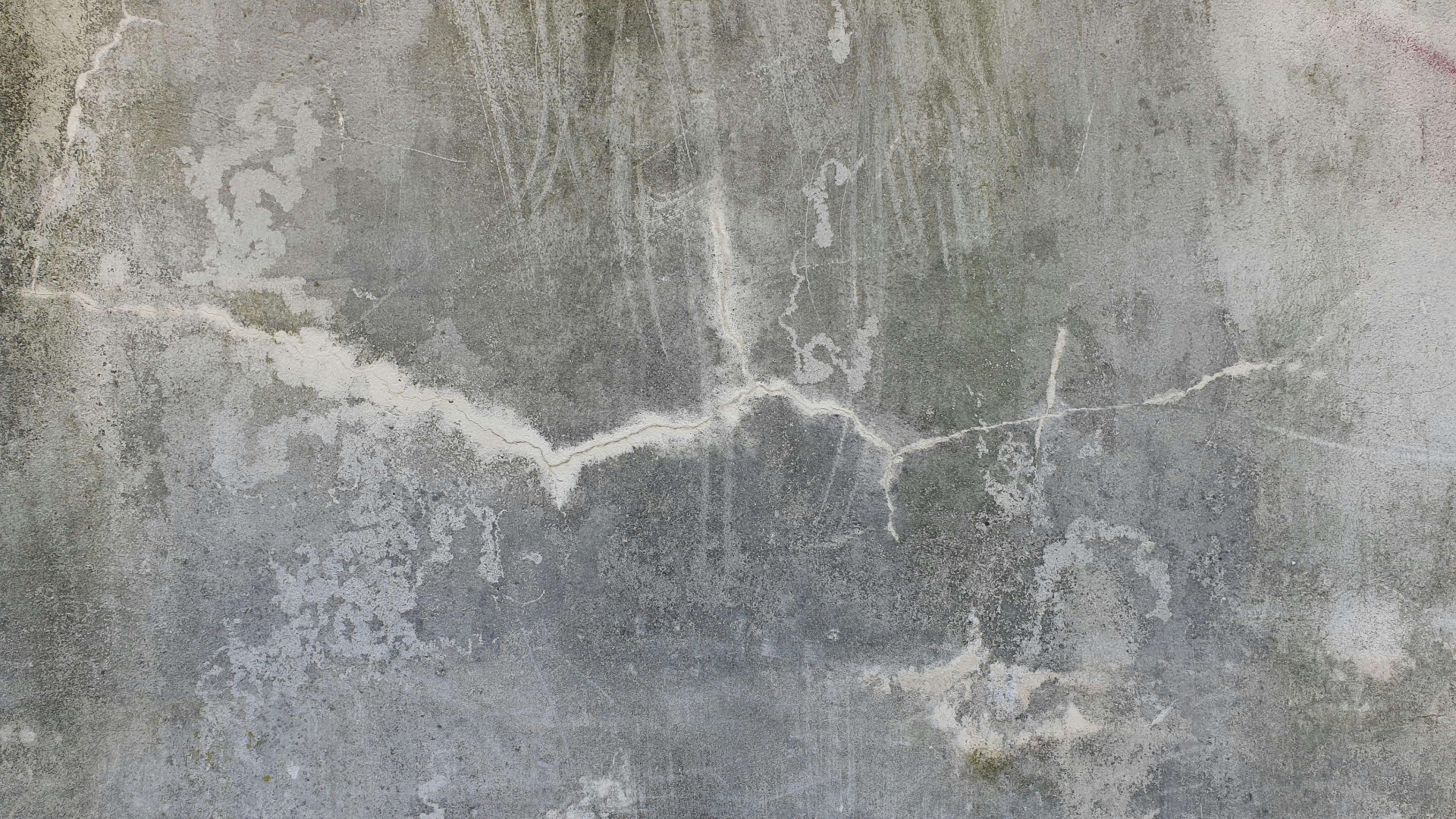
On rendered properties, subsidence can cause the render to crack, bulge, or separate from the masonry behind. You may see map-cracking (a network of fine cracks) or larger sections of render coming loose.
What to Do If You Spot These Signs
Don't Panic — But Don't Ignore It
Not every crack means subsidence. Thermal expansion, minor settlement in new builds, and even vibration from traffic can cause cracking. The key distinguishing features of subsidence are:
- • Cracks wider than 3mm
- • Diagonal orientation (not vertical)
- • Progressive worsening over time
- • Seasonal pattern (worse in dry weather on clay soils)
Practical Next Steps
- • **Photograph everything** with a ruler for scale and date each photo
- • **Mark cracks** with pencil lines and dates to track growth
- • **Check your insurance** policy for subsidence cover and note the excess amount
- • **Arrange a professional survey** — most specialist firms, including ours, offer free initial assessments
Monitor Before You Fill
Resist the urge to fill cracks with filler immediately. The cracks are diagnostic evidence — they tell an engineer what's happening below ground. Filling them destroys that information and can complicate an insurance claim.
Concerned about subsidence?
Get in touch for a free, no-obligation survey of your property.
Get a Free Quote