Norfolk's Subsidence Hotspots: Where Claims Are Rising Fastest in 2026
Norfolk's subsidence landscape is shifting. Based on our survey data from across the county, certain towns and soil types are producing far more ground movement problems than others — and the pattern tells us a lot about what homeowners should be watching for.
Why Some Parts of Norfolk Move More Than Others
Subsidence risk isn't uniform across the county. It depends on three factors working together: soil type, moisture changes, and foundation depth. Norfolk has a patchwork geology — boulder clay in the centre, chalk in the west, Crag sands in the east, and peat in the Broads — and each responds differently to drought and rainfall.
| Soil Type | Where in Norfolk | Shrink-Swell Risk | Main Trigger |
|---|---|---|---|
| Boulder clay | Norwich, Wymondham, Dereham, Attleborough | High | Seasonal moisture loss |
| Chalky boulder clay | Long Stratton, Watton, Aylsham | Moderate–High | Tree roots, dry summers |
| Chalk bedrock | King's Lynn, Downham Market, Swaffham | Low (but dissolution risk) | Underground void formation |
| Crag sands/gravels | North Walsham, Stalham, Cromer | Low shrink-swell | Washout and erosion |
| Peat/alluvium | Great Yarmouth, Loddon, Stalham | High (compression) | Long-term consolidation |
The 2025–2026 Hotspot Map
Norwich and South Norfolk
Norwich sits on the Norwich Crag formation with overlying glacial clay. We've seen a 22% year-on-year increase in enquiries from NR postcode areas, concentrated in pre-1970s housing stock. Wymondham and Attleborough are close behind, both sitting on deep chalky boulder clay with mature tree-lined streets that amplify soil drying.
King's Lynn and West Norfolk
King's Lynn presents a different challenge. The fenland and tidal flat deposits produce soft, compressible ground rather than shrink-swell clay. Properties here tend to experience gradual, persistent settlement rather than seasonal movement — and the repairs often require underpinning rather than resin injection.
The Broads and East Coast
Great Yarmouth and the Broads towns sit on peat and marine alluvium. Peat compresses irreversibly over time, meaning once settlement starts, it won't reverse on its own. Void filling is frequently needed where peat layers have consolidated beneath floor slabs.
What This Means for Homeowners
If your property is in one of these higher-risk areas, three practical steps can reduce your exposure:
- • Keep large trees pruned — especially oak, willow, and poplar within 15 metres of your foundations
- • Maintain your drainage: leaking pipes soften ground and accelerate clay shrinkage when they dry out
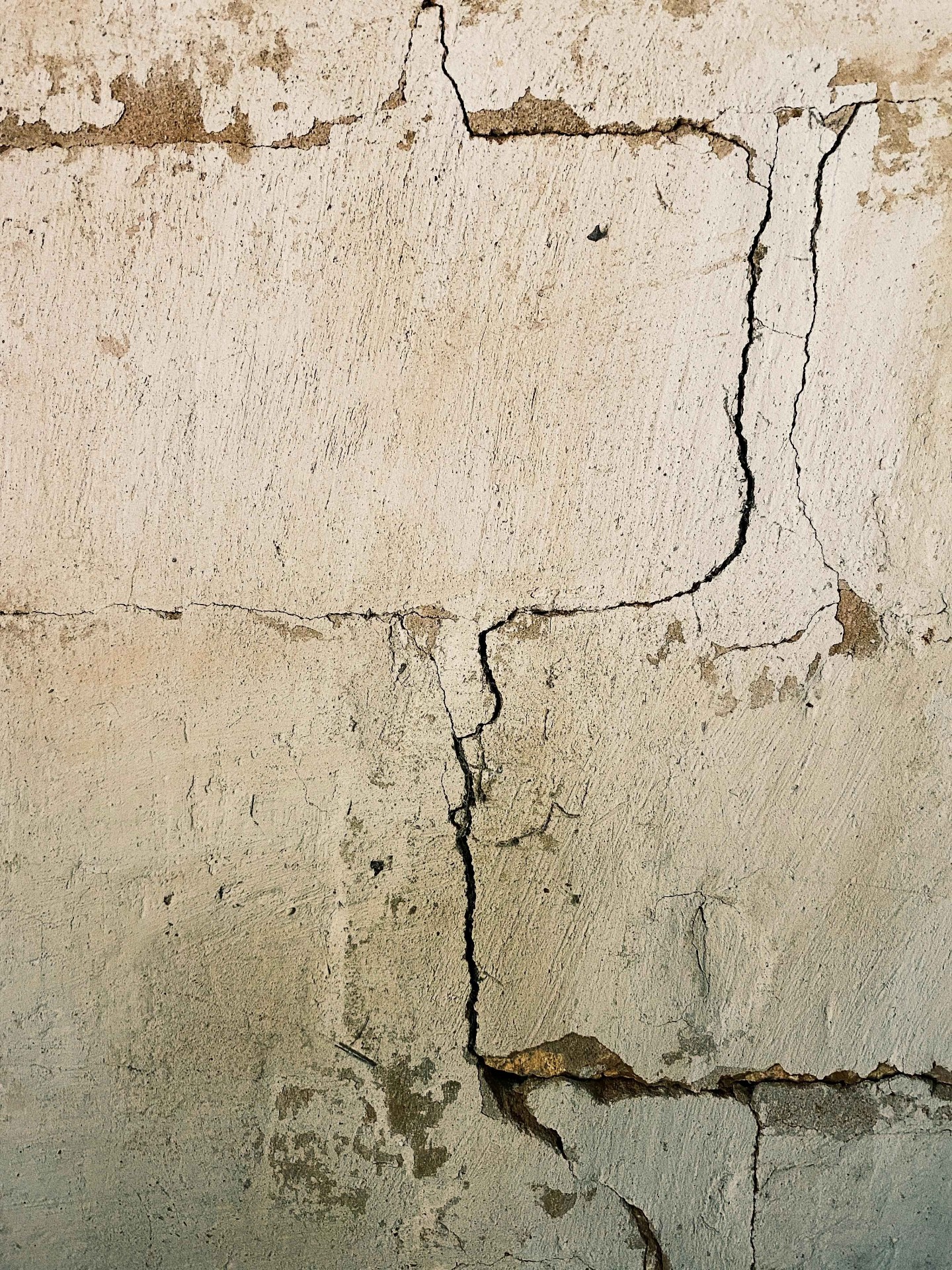
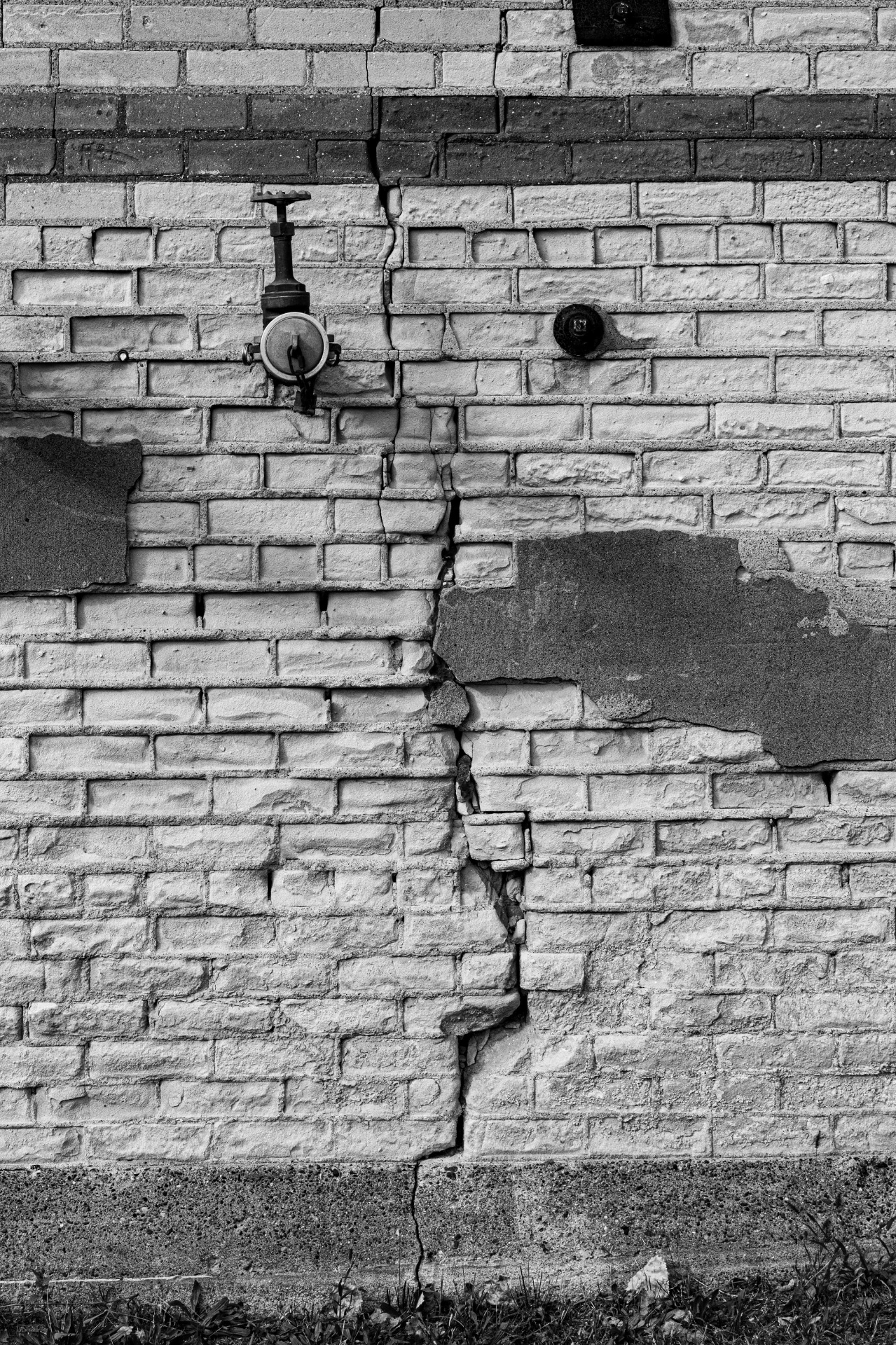
- • Monitor cracks — photograph them with a ruler for scale every three months to track any progression
If cracks widen beyond 3mm or you notice doors starting to stick, don't wait for the next season to see if they improve. Early investigation almost always means simpler, cheaper repairs.
When to Seek Professional Help
A free structural survey from a specialist ground engineering firm can identify whether movement is active, what's causing it, and whether subsidence repair or foundation repair is needed. Acting early is always less expensive than waiting.
Concerned about subsidence?
Get in touch for a free, no-obligation survey of your property.
Get a Free Quote