Subsidence Insurance Claims in Norfolk: A Step-by-Step Guide
Discovering subsidence is stressful enough without the confusion of navigating an insurance claim. This guide breaks down the process into clear stages so you know exactly what to expect, what to document, and where things sometimes stall.
Does Your Policy Cover Subsidence?
Most standard home insurance policies include subsidence cover, but check for these details:
| Policy Detail | What to Look For |
|---|---|
| Subsidence excess | Typically £1,000 (higher than standard claims) |
| Exclusions | Some policies exclude properties with prior subsidence history |
| Monitoring period | Insurers may require 12 months of monitoring before authorising repairs |
| Choice of contractor | Some insurers insist on their appointed contractors; others allow you to choose |
Buildings insurance covers the structure — subsidence damage to walls, foundations, and floors. Contents insurance is separate and won't cover structural repairs.
Stage 1: Document Everything
Before you contact your insurer, gather evidence:
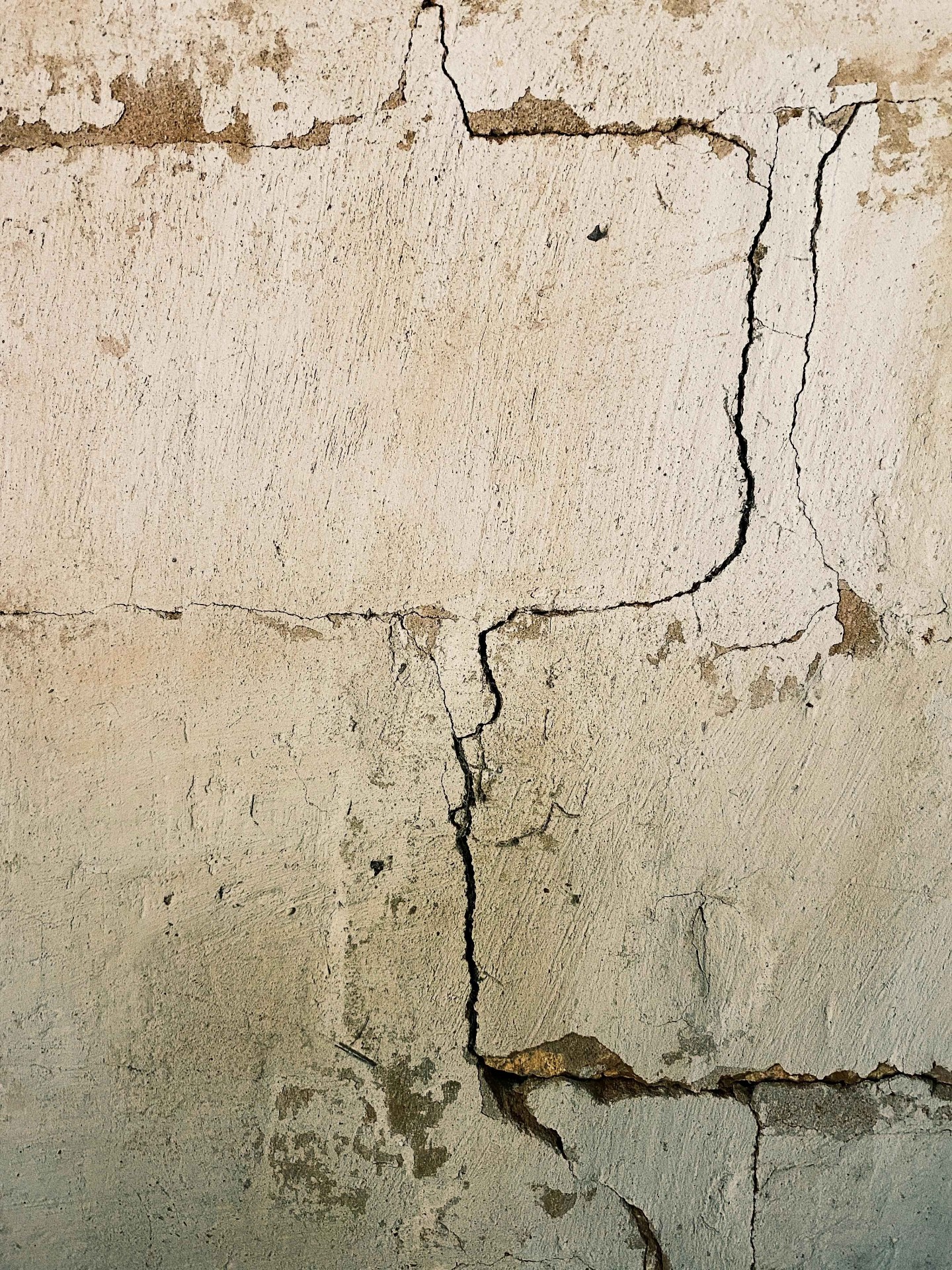
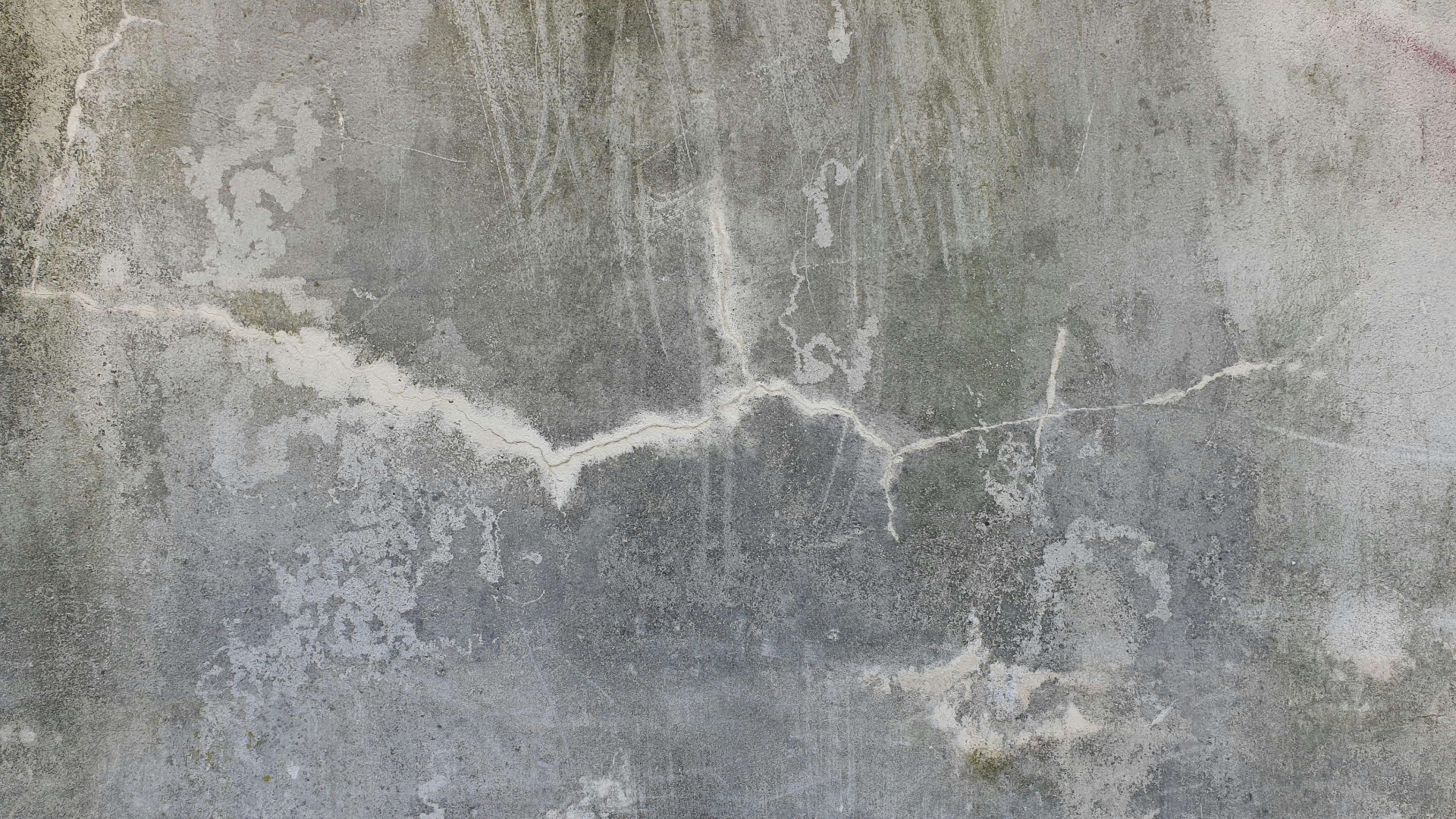
- • Photograph every crack with a ruler or coin for scale
- • Note when each crack first appeared and whether it has grown
- • Check doors and windows — do any stick or fail to close?
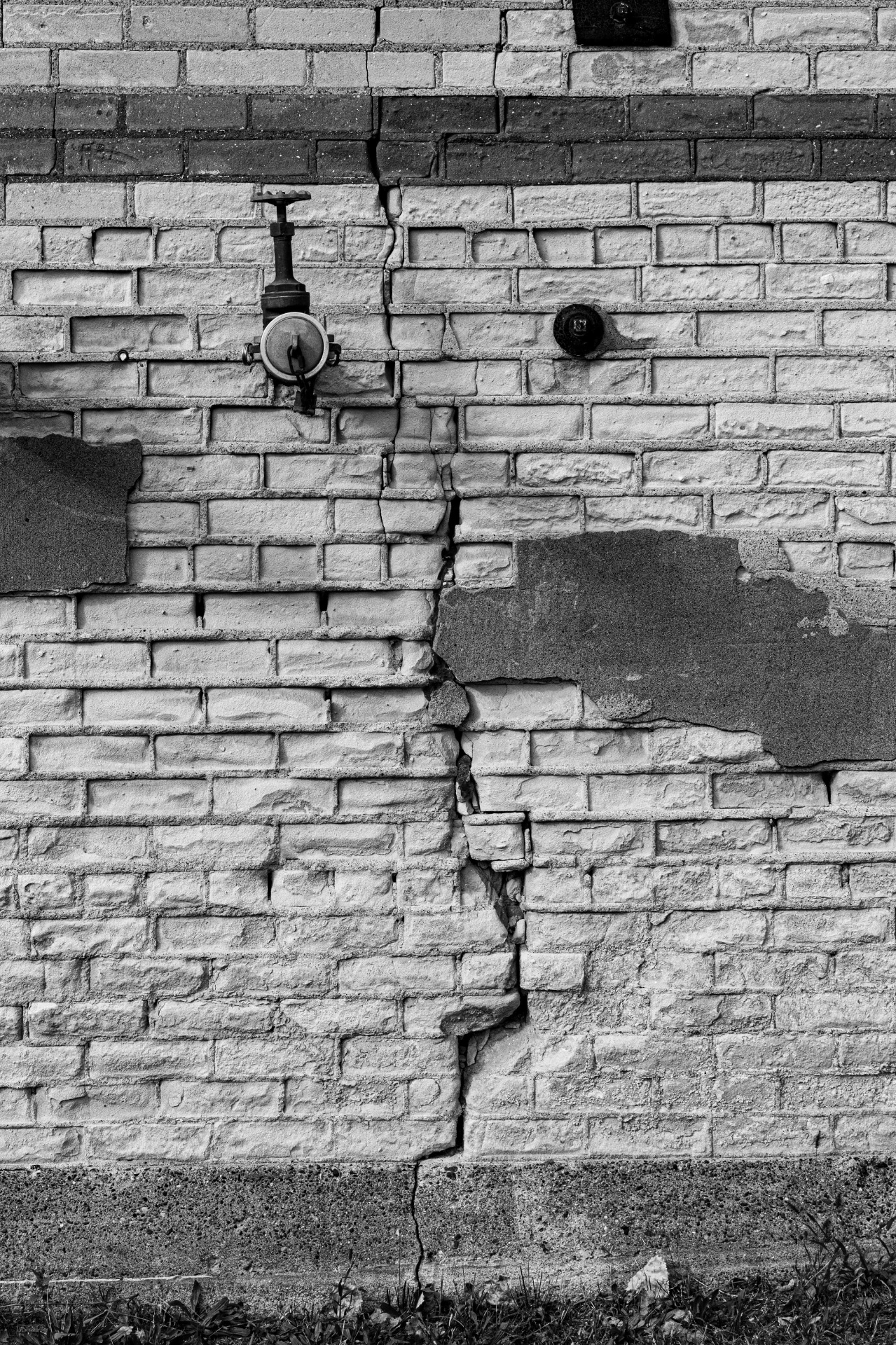
- • Look outside for step cracks in brickwork, separation between walls and extensions, or sinking paths
Date your photographs. Insurers and loss adjusters give much more weight to a documented timeline than to a single snapshot.
Stage 2: Notify Your Insurer
Call your insurer's claims line and report suspected subsidence. They will:
- • Open a claim and assign a reference number
- • Appoint a loss adjuster to visit and assess the damage
- • Potentially arrange for a structural engineer to investigate
Timeline Expectation
The loss adjuster typically visits within 2–4 weeks of notification. Don't delay reporting — most policies require you to notify promptly once you suspect structural damage.
Stage 3: The Investigation Period
This is where claims often take longer than homeowners expect. The insurer's engineer may:
- • Install crack monitoring gauges (tell-tales or electronic monitors)
- • Commission a drainage survey using CCTV
- • Arrange trial pits to inspect the foundations
- • Order tree root analysis if vegetation is suspected
The monitoring period is frustrating but necessary. Insurers need to confirm whether movement is progressive (ongoing) or historic (stopped). This distinction determines whether repair is needed or whether cosmetic work alone is sufficient.
Stage 4: Repair Specification
Once the cause is established, the insurer commissions a repair specification. This document sets out exactly what work is needed — which is where specialist ground engineering firms like ours become involved.
Common repair methods specified include:
- • Resin injection — for moderate clay-related subsidence
- • Underpinning — for deeper or more severe movement
- • Tree management — removal or pruning to address root-related drying
- • Drainage repair — if leaking drains have softened the ground
Stage 5: Repairs and Sign-Off
After repairs are complete, the insurer typically requires:
- • A completion certificate from the repair contractor
- • Post-repair monitoring (usually 6–12 months) to confirm stability
- • Superstructure repairs — re-plastering and redecorating cracked areas
Common Pitfalls to Avoid
- • **Don't repair cracks before the insurer inspects** — this destroys evidence
- • **Don't accept a cash settlement without getting your own repair quote** — insurer offers are sometimes lower than actual costs
- • **Do keep every document** — every letter, email, report, and photograph in a single file
- • **Do get independent advice** if you feel the claim isn't progressing — your policy may include access to a complaints procedure or the Financial Ombudsman
How We Help with Insurance Claims
We work directly with all major insurers and loss adjusters operating in Norfolk. We can manage the technical side of your claim, provide structural reports in the format insurers require, and carry out warranted repairs that satisfy their sign-off process.
Concerned about subsidence?
Get in touch for a free, no-obligation survey of your property.
Get a Free Quote