How the 2025 Drought Damaged Norfolk Foundations — and What to Do Now
The summer of 2025 was one of the driest on record for East Anglia. Between May and September, large parts of Norfolk received less than 40% of average rainfall. For properties built on clay soils, the consequences have been significant — and many homeowners are only now discovering the damage.
The Mechanism: How Drought Causes Subsidence
Norfolk's boulder clay shrinks when it loses moisture. During a normal summer, the top metre or so dries out and contracts slightly — usually not enough to cause problems. But during a prolonged drought, drying extends deeper, reaching 2–3 metres below ground level where foundations sit.
When the clay beneath and around a foundation shrinks, the foundation loses support and settles. The deeper the drying, the more severe the movement.
Area-by-Area Impact
| Area | Soil Type | Impact Level | Common Damage Seen |
|---|---|---|---|
| Norwich | Norwich Crag + boulder clay | Severe | Diagonal cracking, door misalignment |
| Wymondham | Chalky boulder clay | Severe | Step cracking in brickwork |
| Dereham | Deep boulder clay | High | Floor slab settlement, wall cracks |
| Attleborough | Chalky boulder clay | High | Extension separation cracks |
| North Walsham | Glacial till | Moderate | Hairline cracking, minor settlement |
| King's Lynn | Fen deposits (peat/alluvium) | Low (different mechanism) | Ongoing gradual settlement |
The Role of Trees
Trees dramatically amplify drought-related subsidence. A mature oak can extract over 1,000 litres of water per day from the soil during summer, drying clay to depths well beyond what weather alone would cause. Properties within 15 metres of large deciduous trees on clay soils are at the highest risk.
High-Risk Tree Species in Norfolk
- • **Oak** — roots spread up to 20m+ from trunk, very high water demand
- • **Willow** — aggressive root systems, typically found near waterways
- • **Poplar** — fast-growing, exceptionally thirsty roots
- • **Ash** — common in Norfolk hedgerows, moderate-high water demand
- • **Elm** — less common now but still present, high water demand
What Damage Looks Like
The classic signs of drought-related subsidence include:
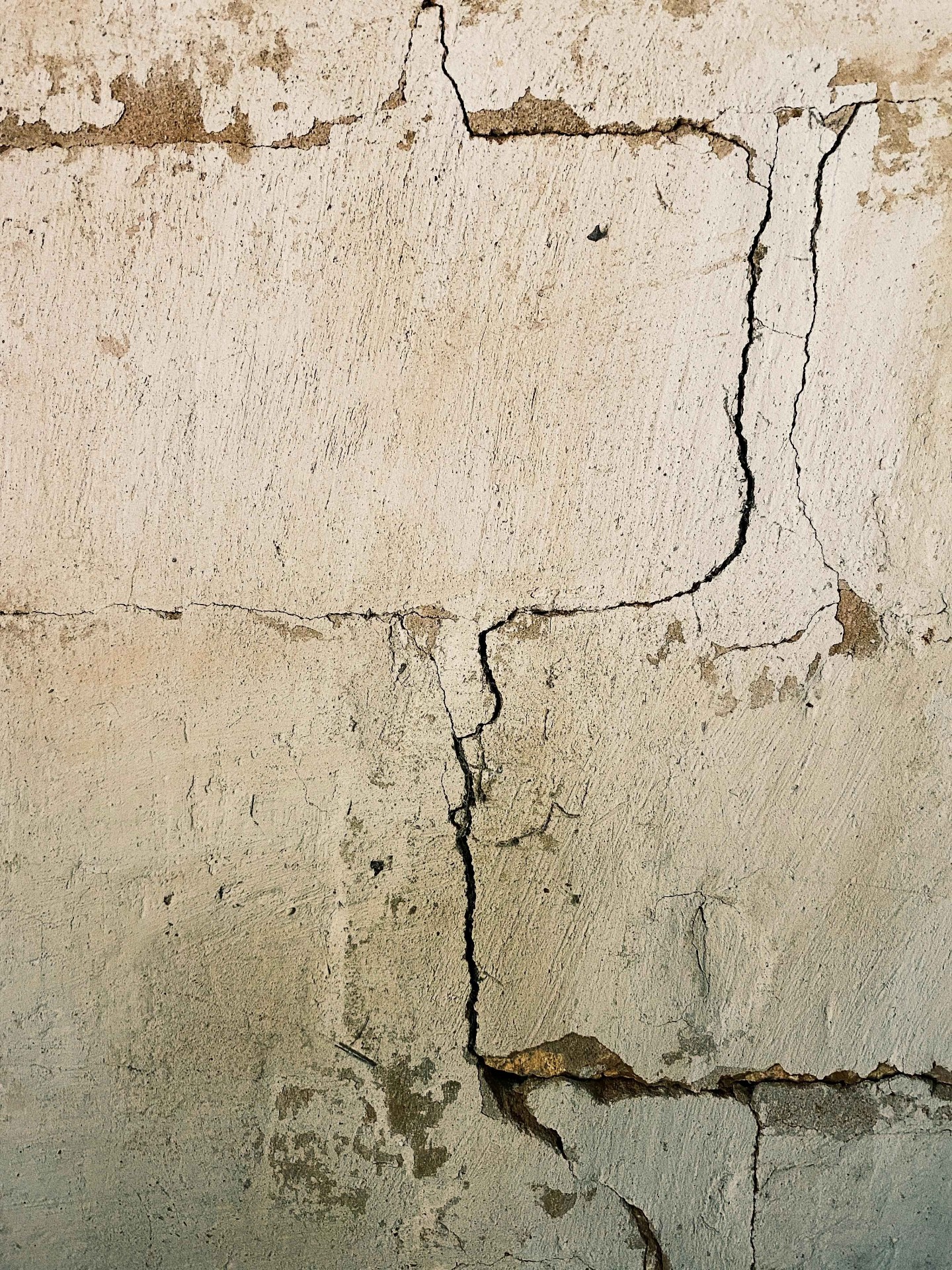
- • Diagonal cracks running from the corners of windows and doors, wider at the top
- • Doors that suddenly stick or won't close — particularly ground-floor doors
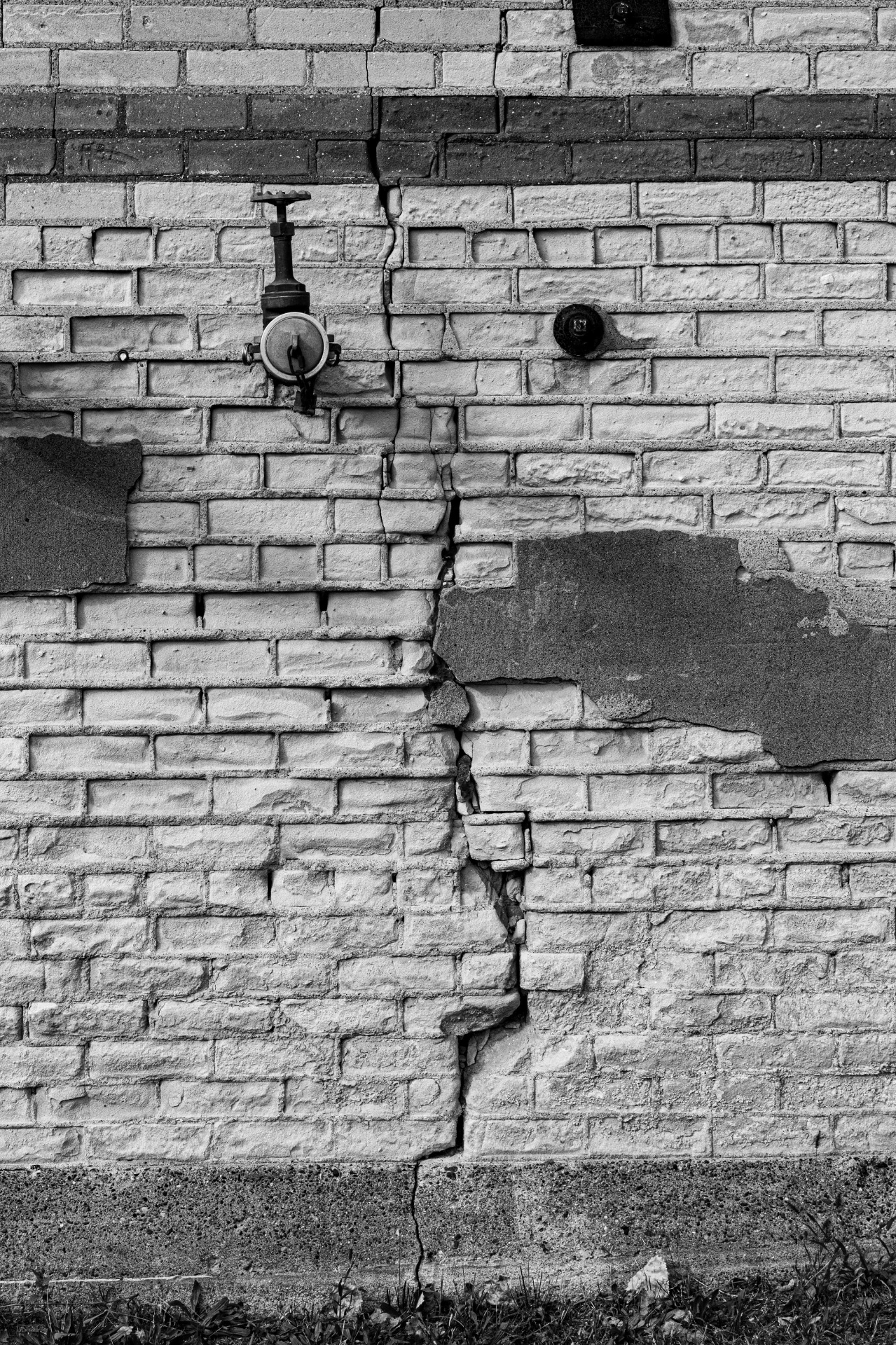
- • Stepped cracks in external brickwork following the mortar joints
- • Gaps appearing between walls and ceilings or between the house and an extension
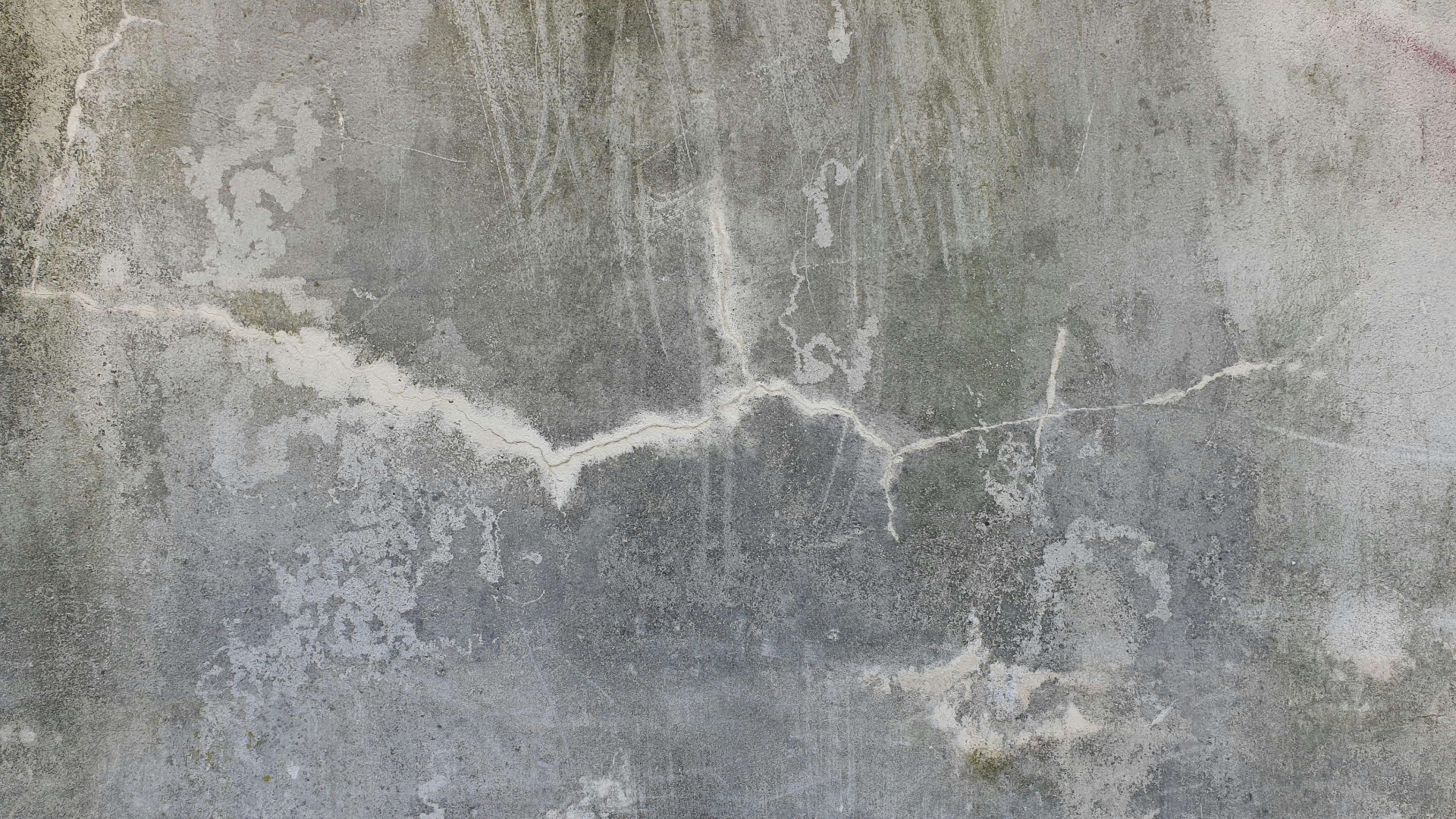
If cracks appeared during or shortly after summer 2025, photograph them monthly with a ruler or coin for scale. This creates a record that's invaluable for both insurance claims and engineering assessments.
What to Do Now
Step 1: Monitor
Don't fill or paint over cracks immediately. Instead, mark them with pencil lines and dates, or use simple tell-tales (glass strips glued across the crack) to track any ongoing movement.
Step 2: Investigate the Cause
If cracks are wider than 2–3mm or you've noticed multiple signs, arrange a free survey. A ground engineer can determine whether movement is related to clay shrinkage, tree roots, drainage failure, or something else entirely.
Step 3: Act on the Findings
Depending on the diagnosis, the solution might be as straightforward as pruning a problematic tree, or it may require subsidence repair through resin injection or underpinning. The important thing is to address the root cause, not just patch the symptoms.
Concerned about subsidence?
Get in touch for a free, no-obligation survey of your property.
Get a Free Quote