Commercial Property Subsidence in Norfolk: Risks, Costs, and Solutions
Commercial properties face the same geological risks as houses — Norfolk's clay soils, chalk voids, and peat deposits don't discriminate — but the consequences are different. Disruption to trade, health and safety obligations, and complex lease structures all add layers of urgency and cost.
Common Commercial Subsidence Problems in Norfolk
| Problem | Typical Properties | Business Impact |
|---|---|---|
| Floor slab settlement | Warehouses, factories, retail units | Forklift hazards, racking instability, trip risks |
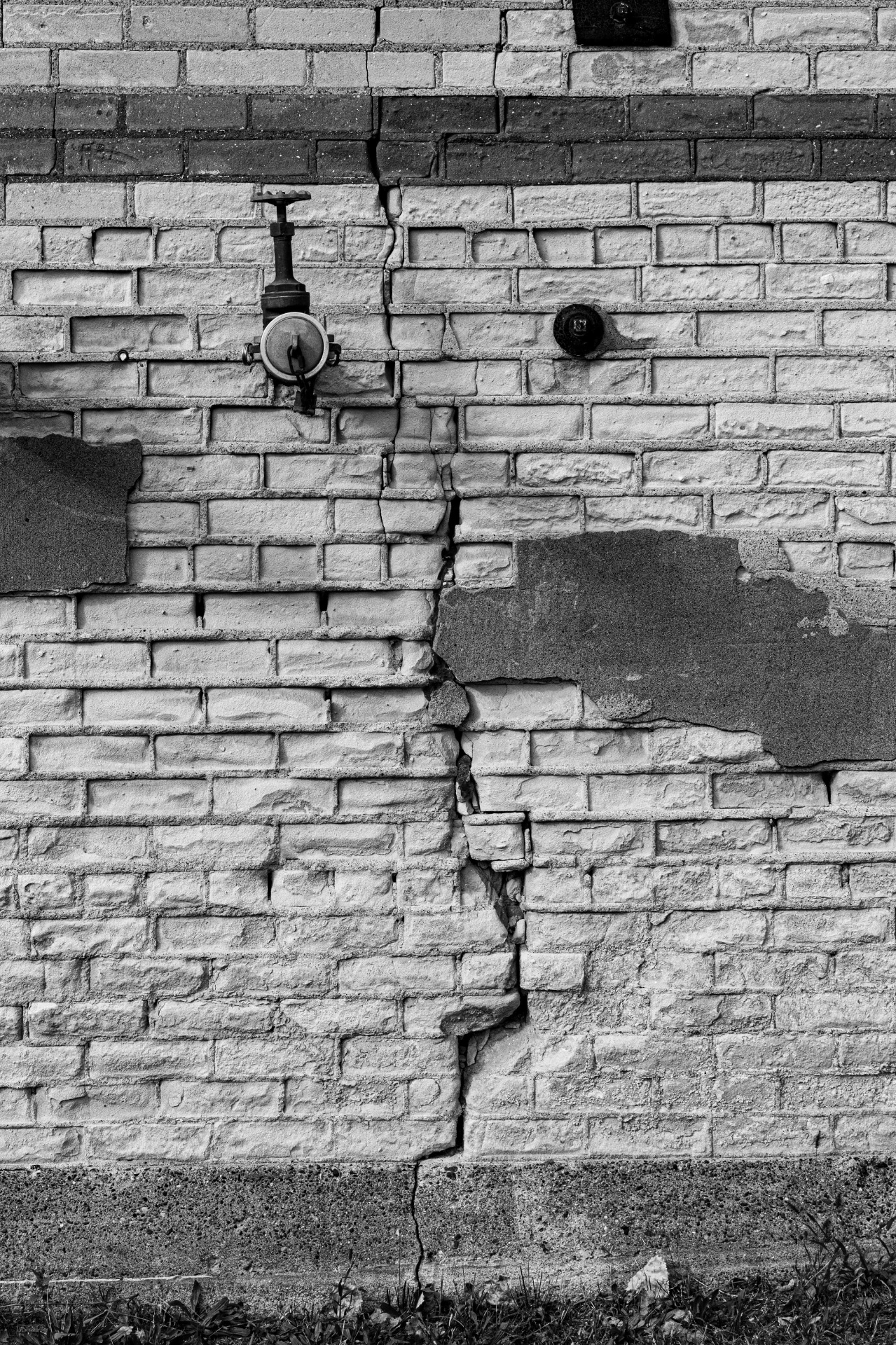
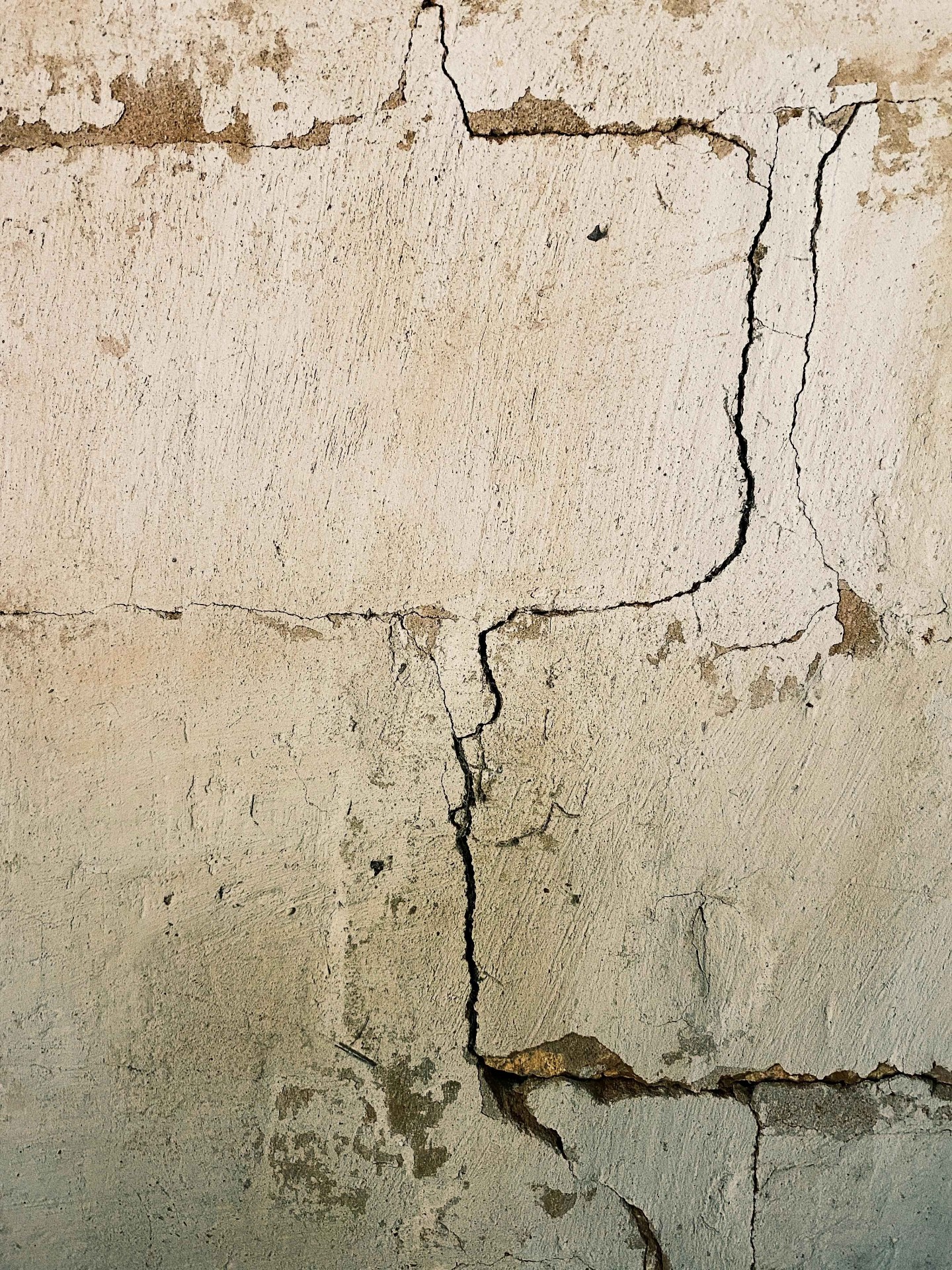
| Wall cracking | Offices, shops, pubs | Customer perception, structural concerns |
| Loading bay subsidence | Distribution centres, depots | Vehicle damage, operational delays |
| Car park sinking | Retail, hospitality, healthcare | Liability risk, poor appearance |
| Drainage failure | All commercial types | Flooding, ground softening, accelerated settlement |
Why Commercial Buildings Are Vulnerable
Large Floor Slabs
Commercial buildings often have ground-bearing slabs spanning large areas — sometimes hundreds or thousands of square metres. These slabs are typically 150–200mm thick and sit directly on the ground. Any settlement or void formation beneath the slab causes it to crack, tilt, or sink.
Unlike domestic floors, commercial slabs carry heavy loads — racking, machinery, vehicles — which accelerate settlement in weak ground.
Shallow Foundations
Many commercial buildings, especially those built in the 1960s–1980s, have strip foundations only 600–900mm deep. On Norfolk's clay soils, this puts them squarely in the zone of seasonal moisture change.
Slab Lifting for Commercial Floors
Slab lifting using geopolymer resin injection is the most common repair for settled commercial floors. It's fast, precise, and doesn't require the business to close.
How It Works
- • Small 16mm holes are drilled through the slab at a grid pattern
- • Expanding resin is injected beneath the slab through each hole
- • The resin fills voids, compacts the soil, and lifts the slab back to level
- • Laser levels monitor the lift in real time to ±1mm precision
Typical Project Data
| Metric | Small Job (car park bay) | Medium Job (retail unit) | Large Job (warehouse) |
|---|---|---|---|
| Area treated | 20–50 m² | 100–300 m² | 500–2,000 m² |
| Duration | 2–4 hours | 1 day | 1–3 days |
| Disruption | Minimal — section by section | Moderate — phased by zone | Can be done over weekends |
| Cost vs replacement | 50–60% less | 55–65% less | 60–70% less |
Lease and Liability Considerations
Who Pays for Repairs?
This depends on the lease. Under a Full Repairing and Insuring (FRI) lease — common in commercial property — the tenant is responsible for structural repairs. Under other lease types, the landlord may bear the cost. Check your lease carefully and take advice early.
Health and Safety
Trip hazards from uneven floors are a common enforcement target for the HSE. A commercial property with sunken slabs or cracked walkways has a legal duty to address the risk promptly. Slab lifting can often resolve trip hazards the same day.
Case Study: Norwich Industrial Estate
A logistics company on a Norwich industrial estate had 500m² of warehouse floor that had settled by up to 40mm. Forklifts were struggling to operate safely, and the racking system was showing signs of stress.
We carried out a ground-penetrating radar survey on Friday, injected resin beneath the entire slab over the weekend, and the warehouse was fully operational by Monday morning. Total cost was approximately 65% less than slab replacement would have been, and the business lost zero days of trade.
When to Act
Don't wait for a health and safety incident or a lease dispute to force the issue. If you've noticed uneven floors, cracking walls, or drainage problems at your Norfolk commercial property, a free survey can identify the extent of the problem and the most cost-effective solution.
Concerned about subsidence?
Get in touch for a free, no-obligation survey of your property.
Get a Free Quote